
Latching Relay
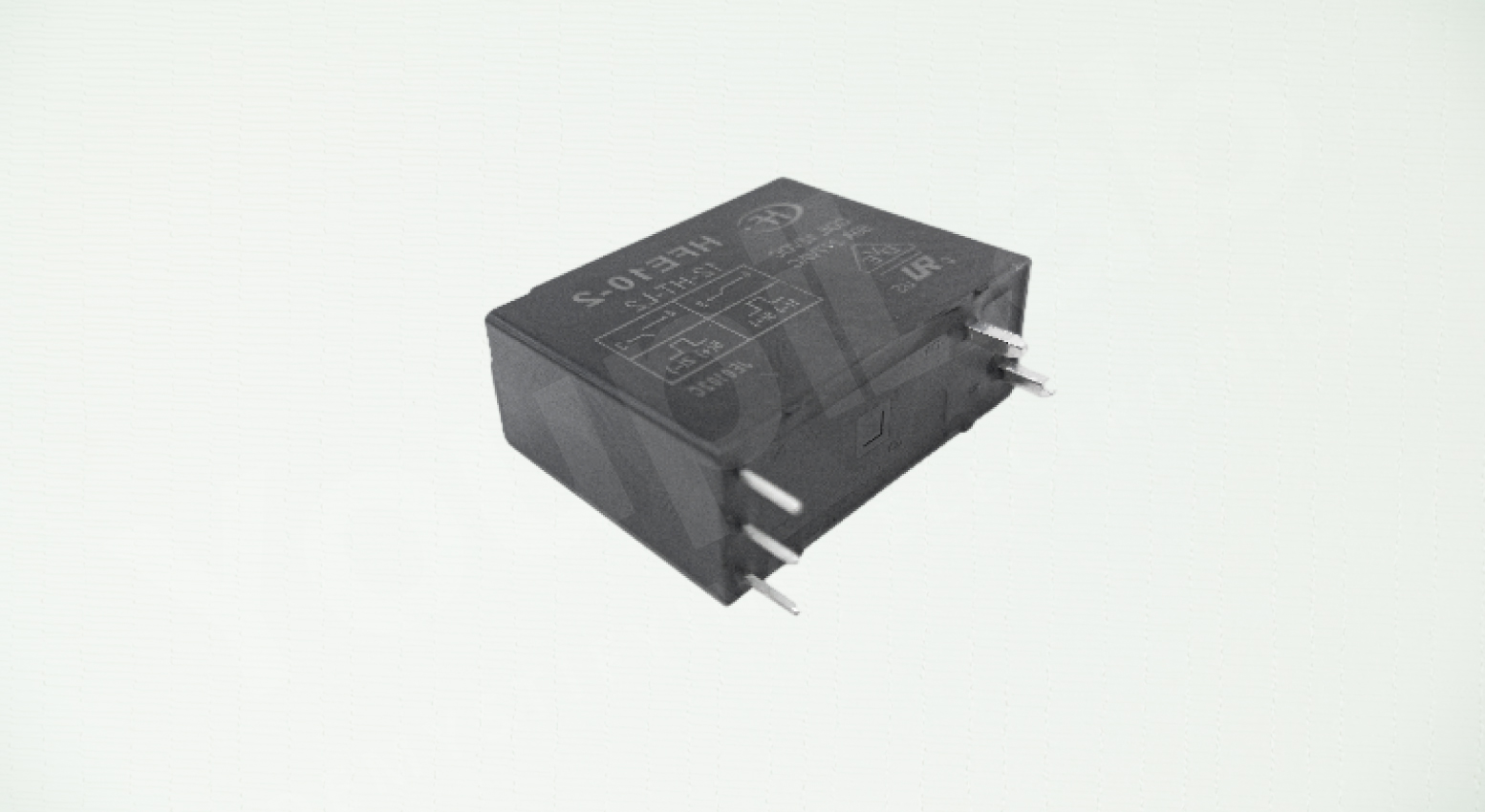
Latching Relay
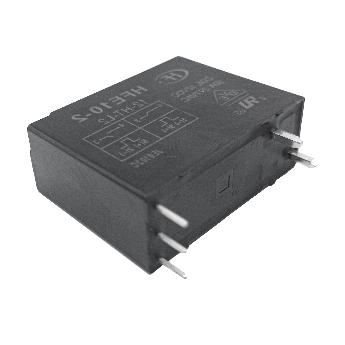
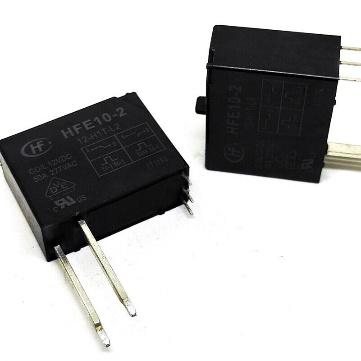
Bien sûr, voici la traduction en anglais, tout en conservant le style informatif et technique du texte original :
Latching Relays: An Overview
Latching relays, also known as bistable relays, are electromechanical devices that maintain their switching state (open or closed) once activated, even in the absence of power. Here's what you need to know about them:
Operation: These relays use two coils to maintain their switching state. When one coil is activated, it locks the relay in one of its two positions (open or closed) until another electrical pulse reverses the process.
Applications: They are often used in systems where energy efficiency is crucial, as they only consume power during state changes. Typical applications include electrical circuit switching systems, telecommunications, and industrial automation.
Advantages:
- Reduced Energy Consumption: They consume energy only during switching, making them efficient for applications where power management is critical.
- State Retention: Once activated, they remain in their state without requiring continuous power, which can be advantageous in power-limited systems.
Types: There are various types of latching relays, including those operated by electrical pulses, mechanical mechanisms, or digital signals. Each type is tailored to specific applications based on switching and control requirements.
Design Considerations: When integrating latching relays into a system, it's essential to consider compatibility with supply voltages, switching currents, and operational life cycles to ensure reliable long-term performance.
Latching relays provide an efficient solution for applications requiring stable switching and optimized energy management, making them a popular choice in various industrial and automation fields.
Short Description:
Latching relays, also known as bistable relays, are electromechanical devices that maintain their switching state (open or closed) once activated, even in the absence of power.
Long Description:
The HFE10-2-12 12-HT-L2 latching relay is an electromechanical device used to control electrical circuits using low activation power. This type of relay is designed to maintain its state (open or closed) after the initial activation pulse has ceased. It uses an electromagnet to move a mobile contact between two positions (open or closed). Once activated by a current pulse, the relay maintains its state through a permanent magnetic force, without requiring continuous current to remain in that position. This enables significant energy savings, particularly useful in applications where the relay must remain activated for long periods.
Here's what you need to know about them:
Operation: These relays use two coils to maintain their switching state. When one coil is activated, it locks the relay in one of its two positions (open or closed) until another electrical pulse reverses the process.
Applications: They are often used in systems where energy efficiency is crucial, as they only consume power during state changes. Typical applications include electrical circuit switching systems, telecommunications, and industrial automation.
Advantages:
- Reduced Energy Consumption: They consume energy only during switching, making them efficient for applications where power management is critical.
- State Retention: Once activated, they remain in their state without requiring continuous current, which can be advantageous in power-limited systems.
Latching relays provide an efficient solution for applications requiring stable switching and optimized energy management, making them a popular choice in various industrial and automation fields.
Specifications:
- Model: HFE10-2-12 and 12-HT-L2
- Type: Magnetic latching relay
- Coil Voltage: 12V DC
- Coil Power: Low energy consumption due to magnetic latching
- Maximum Contact Switching Voltage: 277V AC / 30V DC
- Contact Resistance: Low contact resistance for improved conductivity
- Maximum Switching Current: 50 A
- Manual operation switch
- Operating Temperature: -40°C to +70°C
Comments (0)
Sign in to react to this article
You must sign in to your YoupiLab account to post comments on the blog.